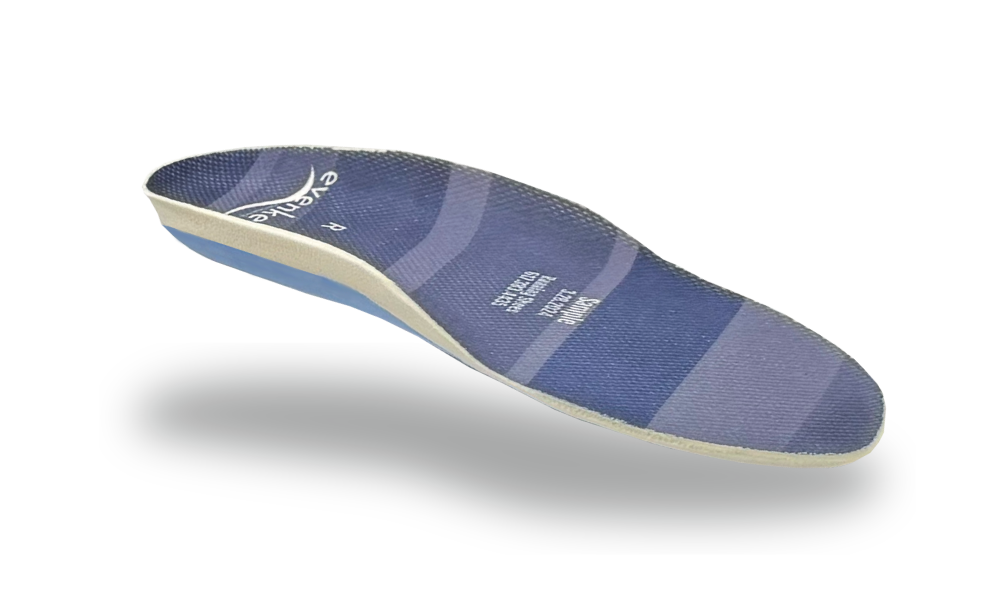
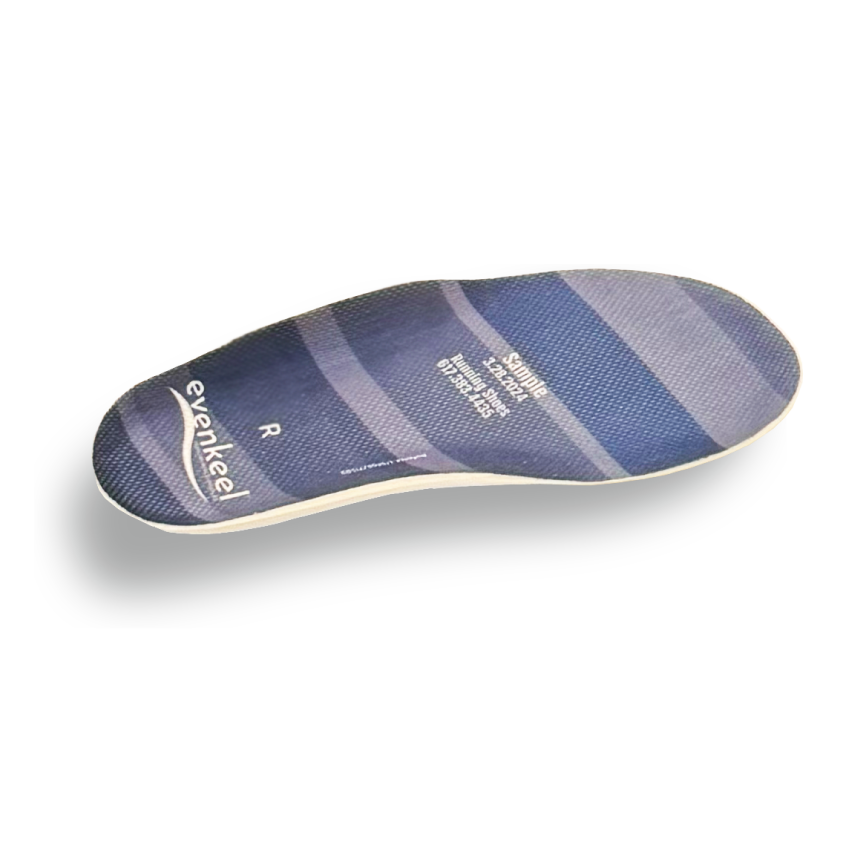
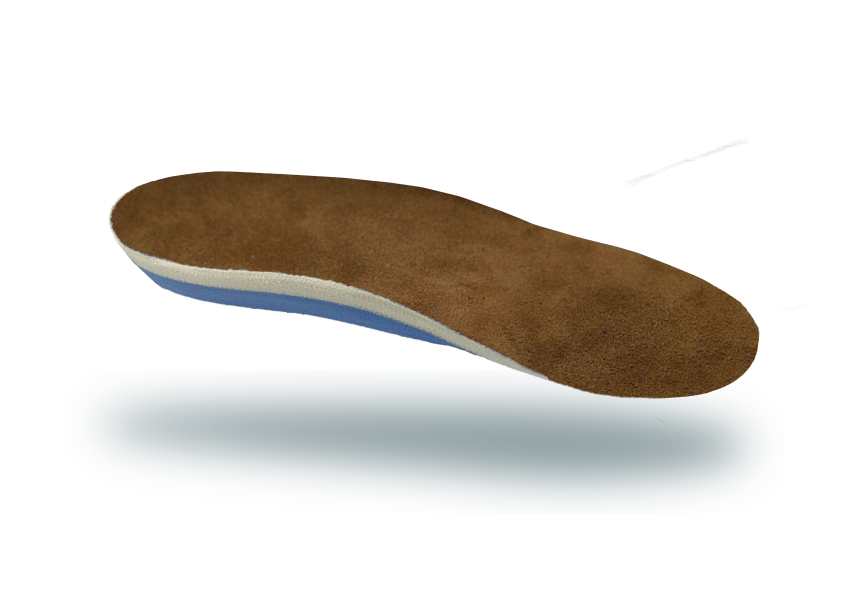
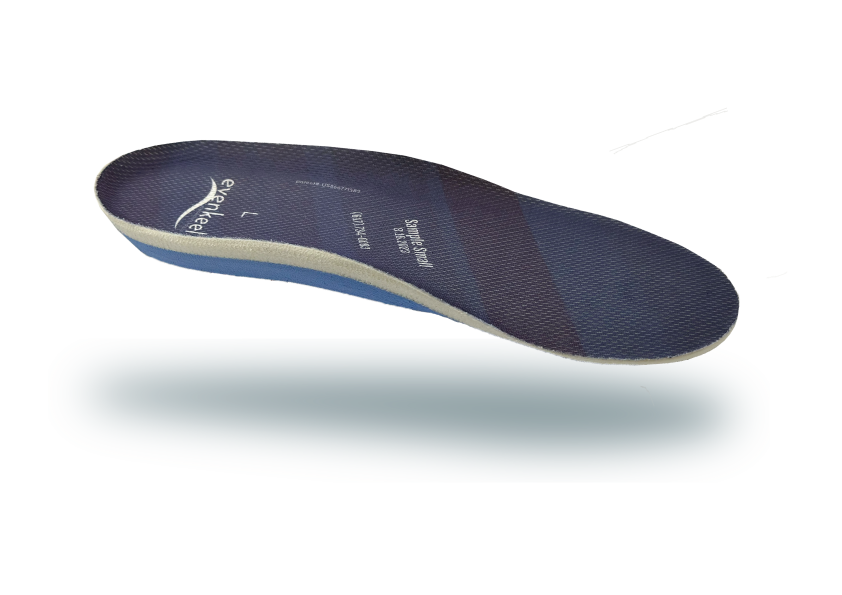
The EvenKeel Custom Orthotic System
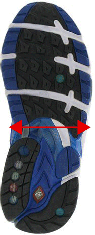
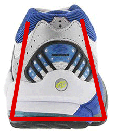
Shoe styles change every season, which makes specific model recommendations difficult to keep current. What doesn't change is what makes a shoe work well — for your feet, and with your orthotics.
Dr. Santopietro's custom orthotics work in concert with a properly fitted and appropriately constructed pair of shoes.
Whether you wear full custom orthotics or need only minimal support, the construction of your shoe matters. Here's what to evaluate before you buy.
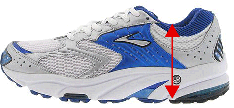
Maximum motion control · Multiple widths available
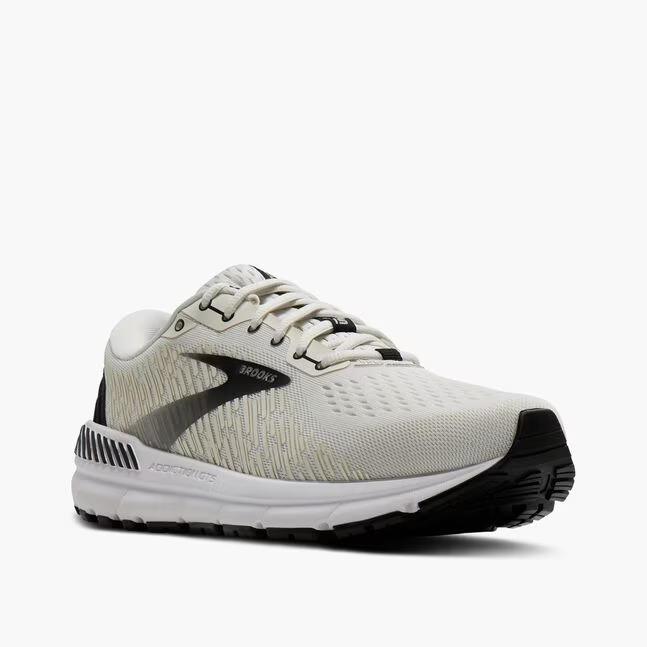
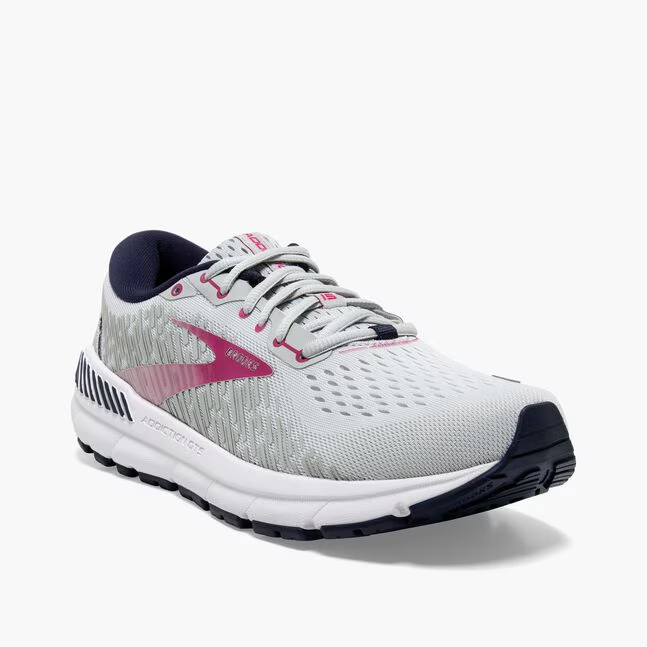
The Brooks Addiction GTS checks nearly every box on the list above. It delivers maximum support through a combination of stability technologies, comes in multiple widths, and has enough interior volume to accommodate a full custom orthotic comfortably. It is not the only shoe that works — but it is a reliable starting point for patients who aren't sure where to begin.
The right sock complements both your shoe and your orthotic. The wrong one introduces wrinkles, bulk, and pressure points that undermine everything else.
Look for socks with these characteristics:
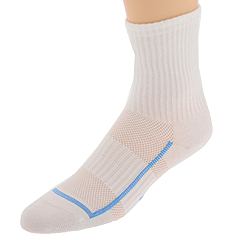
Feetures! socks provide the exact amount of compression so each sock gently hugs the foot — no bunching, no pressure points, no distraction from the work your orthotic is doing. Worth trying as a reference point if you're unsure what a well-fitted sock should feel like.
These local retailers carry wider widths, know how to fit shoes with orthotics inside, and have staff who can help rather than just hand you a box.
Harvard Ave, Coolidge Corner. Long-established specialty retailer with deep experience fitting patients who wear orthotics.
Knowledgeable staff, wide-width inventory, and a focus on functional footwear for the whole family.
Family-owned. Good selection across athletic and dress categories with a practical approach to fit.
Athletic focus with a solid range of motion-control and stability options in multiple widths.
Boston's go-to running specialty retailer. Knowledgeable staff and a strong selection of stability and motion-control shoes in extended widths.
Bare feet, flip flops, clogs, and zero-drop or flat-soled shoes work against nearly everything we're trying to accomplish with an orthotic. Even on a quick trip to the mailbox, footwear matters. If you have an active foot condition, treat shoe choice as part of the treatment.
We understand that dress shoes require compromise. When you can't wear your full orthotic, always favor a moderate heel over a flat. A dress orthotic is available for patients who need support in a slimmer shoe profile. Ask Dr. Santopietro at your next visit.
These recommendations will not suit every patient. Foot biomechanics vary widely, and what works well for one person may not be right for another. If you're uncertain about a specific shoe or have questions about fit, bring the shoe to your appointment and we'll evaluate it together. We update these recommendations as we learn more from our patients and from new products in the market.